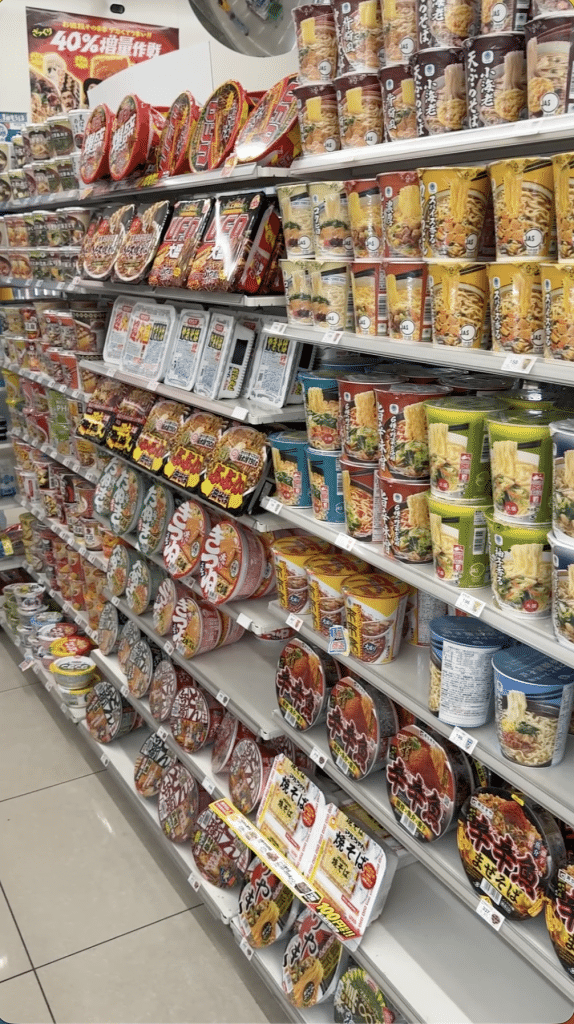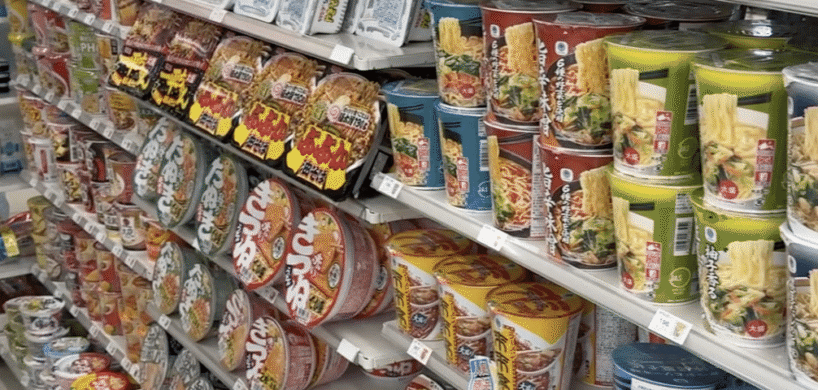
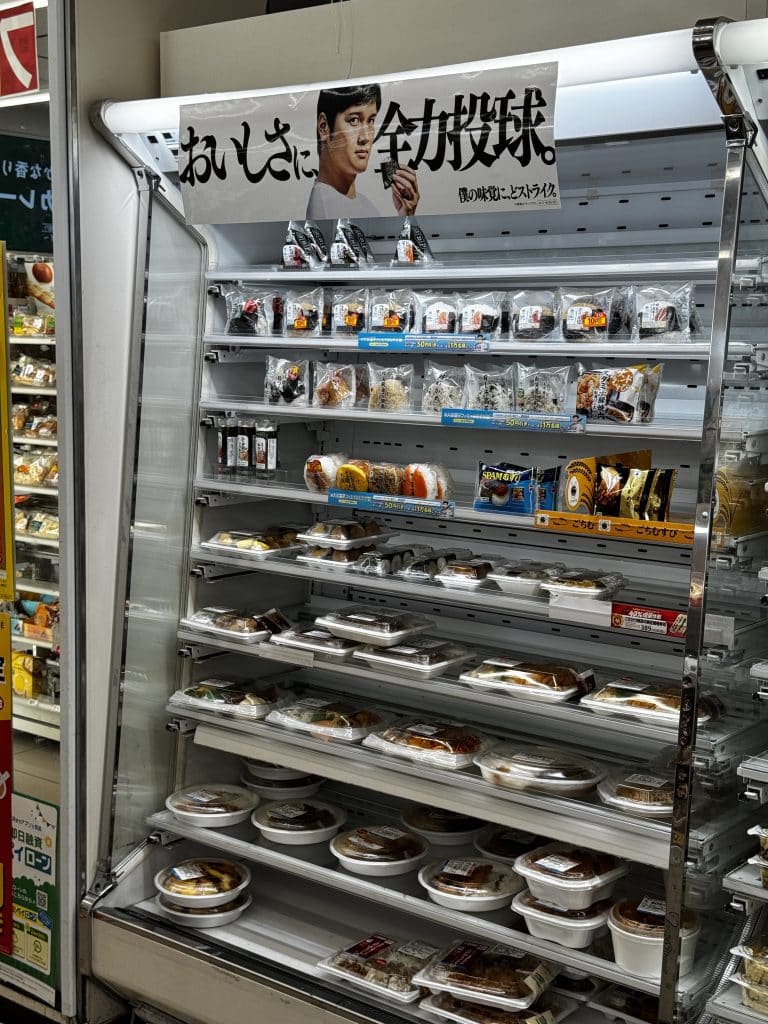
One of the first things most visitors notice when they arrive in Japan is the ubiquity of convenience stores and the quality of food available in them. Unlike a 7-11 in Canada, when you enter a convenience store in Japan it feels more like the ready-to-eat counter of a Sobey’s or Farm Boy. Where convenience stores signal food deserts in North America, in Japan, they are part of a distributed retail landscape that offers small snacking opportunities throughout the day. Between waiting in line for two hours for a viral pancake or fatty tuna sushi flight, it is not uncommon to pop into one of the ubiquitous family marts, Lawson’s, or 7-11’s (and yes, they are all ironically named in English) to grab some onigiri, an egg salad sandwich, or one of the countless ready-to-eat baked goods, noodle dishes, or fried chicken. It is also not uncommon to see roasted Japanese yams warming right next to the cash register.
Don’t get me wrong. 7-11 Japan is not a paragon of health and virtue. Your typical sweets, baked goods, cookies, and sugary beverages are just as easily accessible. They may be packaged in smaller portions, but they are still there to tempt you.
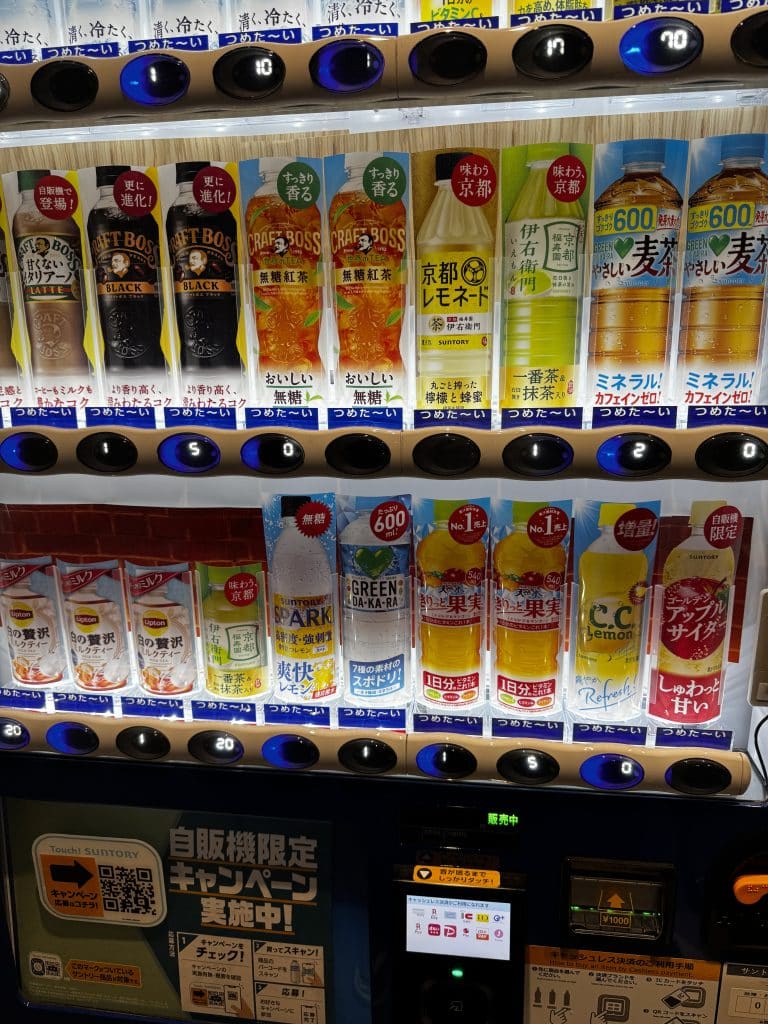
During my trip to Japan, I noticed that I ate many more times during the day, but each of those eating episodes was a lot smaller and a lot more delicious and varied. Because of that, I found myself doing something I almost never do in Canada: eating from a convenience store. Not only was the selection incredible, but the prices and quality were better than many quick-serve restaurants. Was the onigiri as good as ones from a dedicated restaurant made fresh? No. But it was tasty, affordable, quick, and relatively healthy. Likewise, with many of the pastries, sandwiches, and other fresh food take-aways. Where we tend to pay a premium for convenience in North America, many of these shops were extremely affordable, offered a surprising amount of fresh and prepared foods, and were open at all hours.
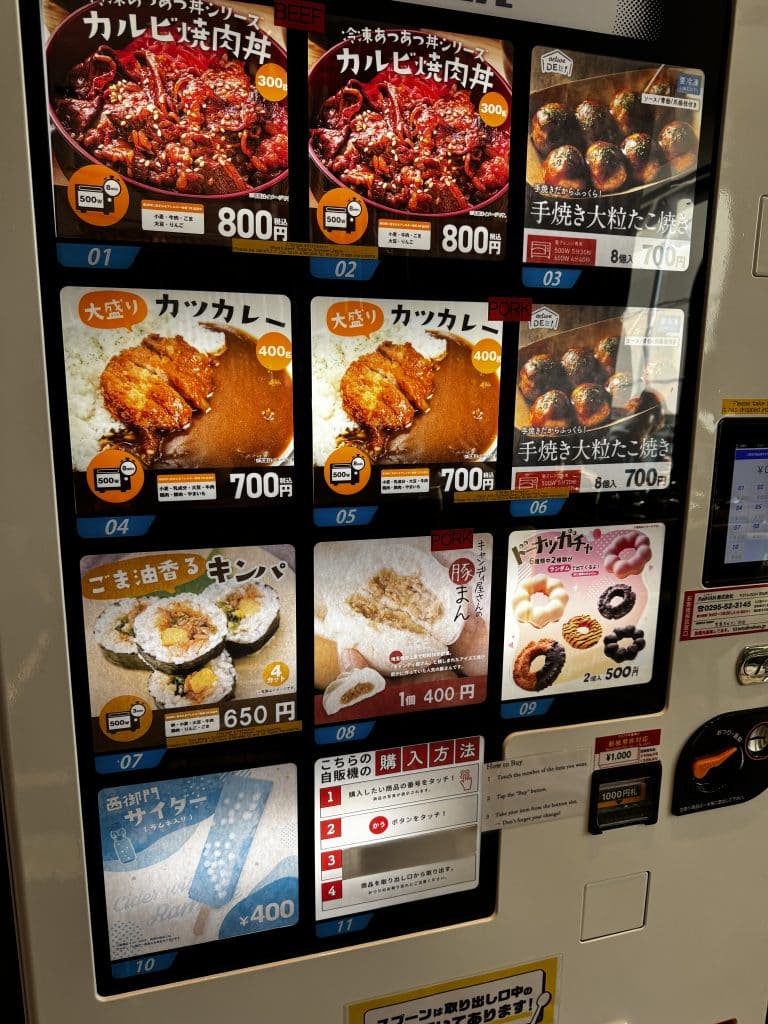
If you are a CPG company thinking about entering a new market, one of the best things you can do is spend some time in the market watching how locals eat and trying it yourself. Attending a trade show should also incorporate spending time in the country and region and absorbing as much culture as you can. Research reports and market studies are good, and you need to know the data, but when it comes to the culture and what drives decisions, it’s important to spend some time. As they say, when in Rome.
Well, when in Tokyo, I tried to eat like a local. This meant I went into more convenience stores than I have been in the last 5 years in Winnipeg, and realized that in Japan, convenience doesn’t mean low quality or high cost. In Japan, the baseline expectation of quality is just higher, but the portions are also smaller and more hurried. This provides an opportunity for a CPG company to focus on a unique value proposition, taste, or packaging to meet the consumer where they are at.
Customer research and product market fit are the backbones of any company seeking to enter a new market. This is why Food and Beverage Manitoba has partnered with the World Trade Centre on their FITT (Forum for International Trade Training) and will be holding sessions in the near future. This will help you build the knowledge, skills, and abilities to assess the opportunities to export your product.